
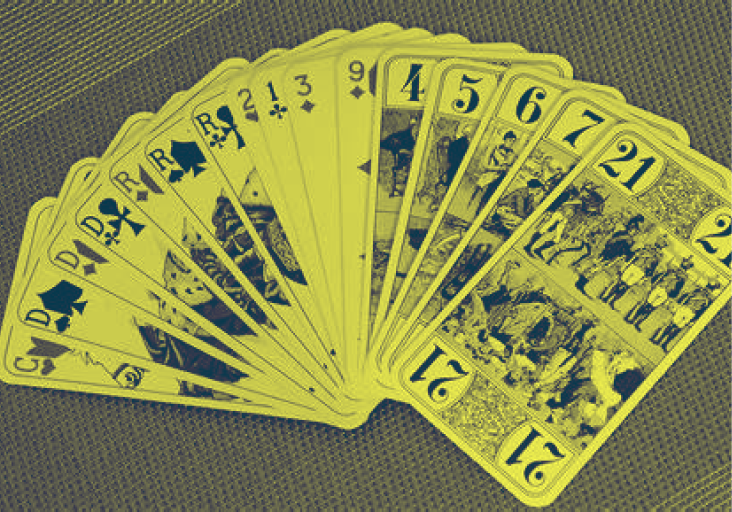
Board games come in a wide variety of types, each offering a unique experience tailored to players' preferences. Here’s an overview of the main types of board games you might explore.
Strategy Games
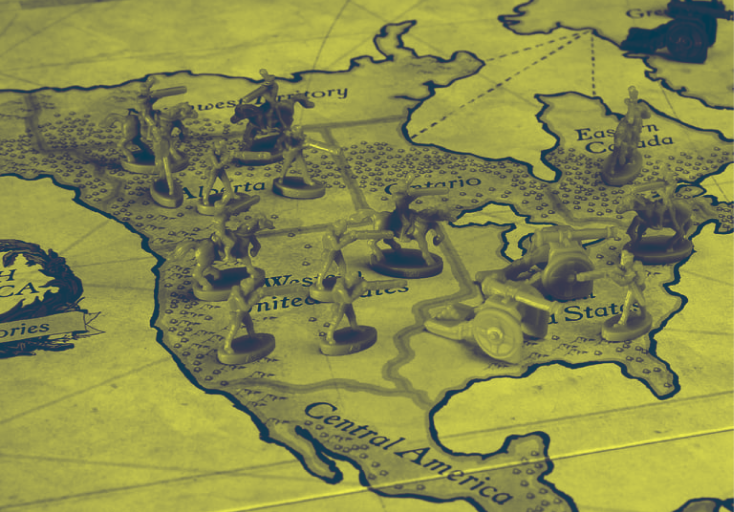
These games require players to plan and think long-term. Strategic decisions shape the game, often involving managing resources or controlling territories. Classics like Catan or Risk are iconic examples.
Example: Risk
Chance Games
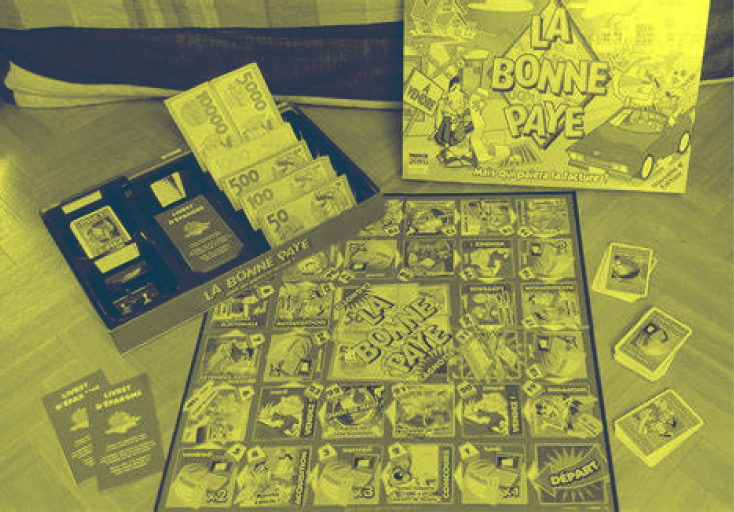
In these games, luck plays a central role. Dice, cards, or other random elements influence the outcome. These games can be as fun as they are competitive, but chance remains a decisive factor, as seen in Monopoly or Game of Life.
Example: Game of Life
Role-playing games
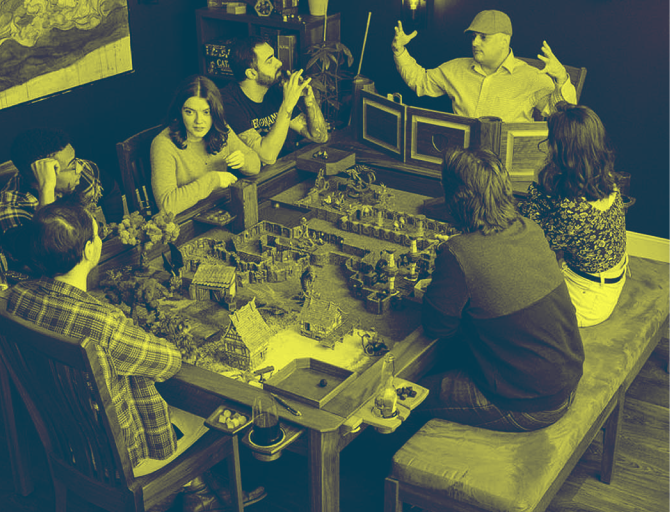
Role-playing games immerse players in complex scenarios where they embody a character and develop a story. Dungeons and Dragons is the most famous example, where storytelling and imagination play a key role.
Example: The Werewolves of Millers Hollow

Cooperative games
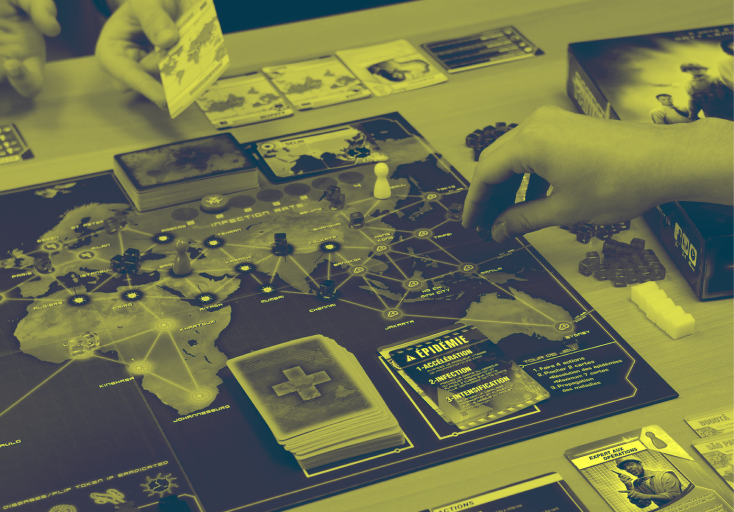
In cooperative games, players work together to achieve a common goal. Instead of competing, they collaborate to overcome a collective challenge, such as in Pandemic, where they must save the world from outbreaks.
Example: Pandemic
Card games
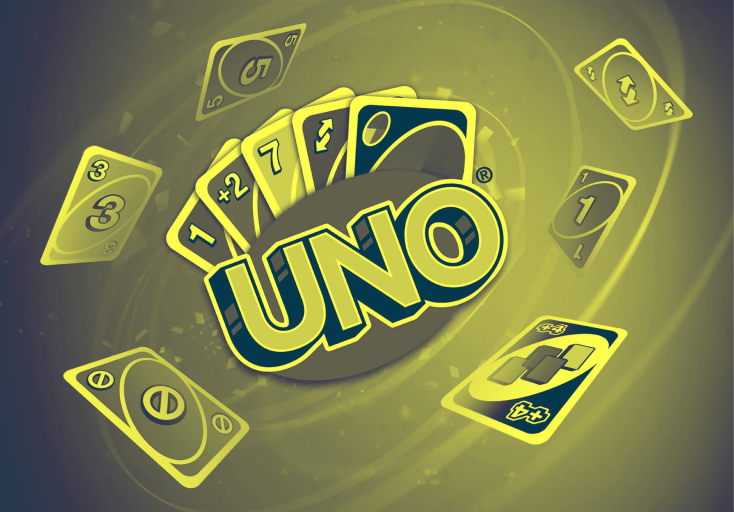
Easy to carry and often quick to play, card games like Uno or Saboteur rely on card combinations to win the game. Some are based on complex strategies, while others rely on luck.
Example: Uno
Discover more:
Board games
Dive into the captivating world of board games, where strategy, adventure, and conviviality come together. Explore their fascinating evolution, from timeless classics to modern innovations, and experience the joy of playing together.

The evolution of games
Discover the evolution of board games, from the first clay tablets to modern classics. Explore how these games have adapted to new technologies while remaining tools for gathering and entertainment.

Games of the future
Discover what board games of the future might look like, integrating innovation and interactivity. Imagine immersive experiences using augmented reality and artificial intelligence while enhancing entertainment and promoting social connections.