

Board games have a fascinating history spanning thousands of years. Their evolution has been influenced by cultural, social, and technological factors, transforming simple pastimes into rich and varied experiences.

Ancient Origins
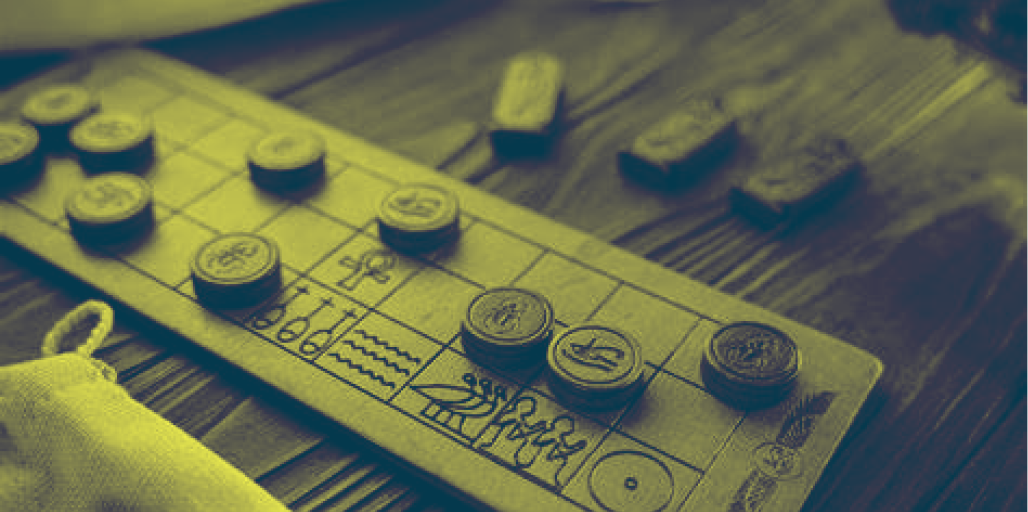
Board games emerged in ancient civilizations, with notable examples such as Senet in Egypt (3100 BC) and the Royal Game of Ur in Mesopotamia (2600 BC). These games were often linked to rituals and social practices, reflecting cultural and spiritual beliefs. Senet, for example, was seen as a way to guide souls to the afterlife, while the Royal Game of Ur was used for entertainment and strategic teaching.
3000 BC
1500 AD


Strategy and War Games
Over the centuries, board games have evolved to include elements of strategy and war. Games like Chaturanga in India (6th century) and Shogi in Japan (15th century) introduced complex game mechanics based on battles. These games reflected the military concerns of their times and laid the foundation for modern chess.
500-1500
Renaissance and European Evolution
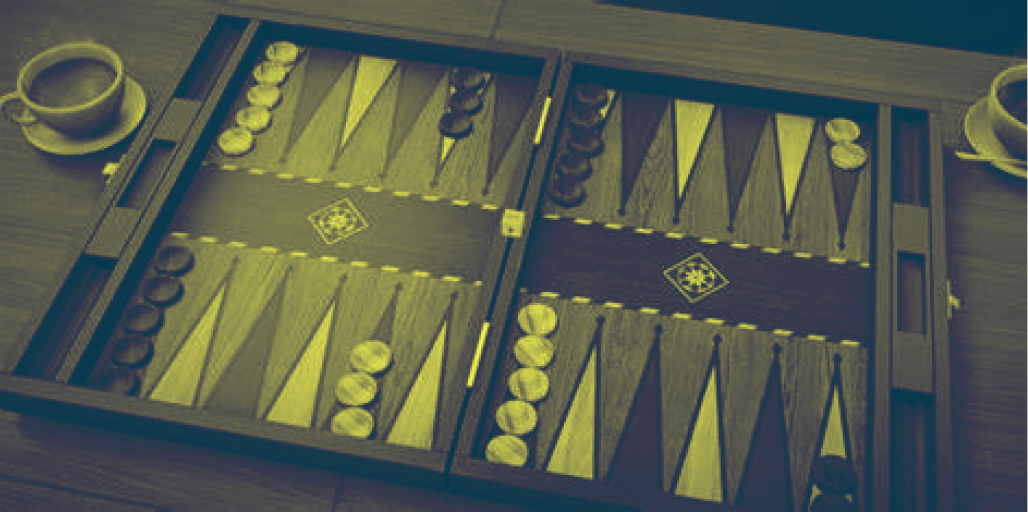
The Renaissance marked a revival of board games in Europe, with the introduction of games like Backgammon and early versions of modern chess. These games were often associated with aristocracy and courtly entertainment. The printing press made it possible to disseminate game rules, making these pastimes more accessible to the general public.
1500-1700
Industrialization
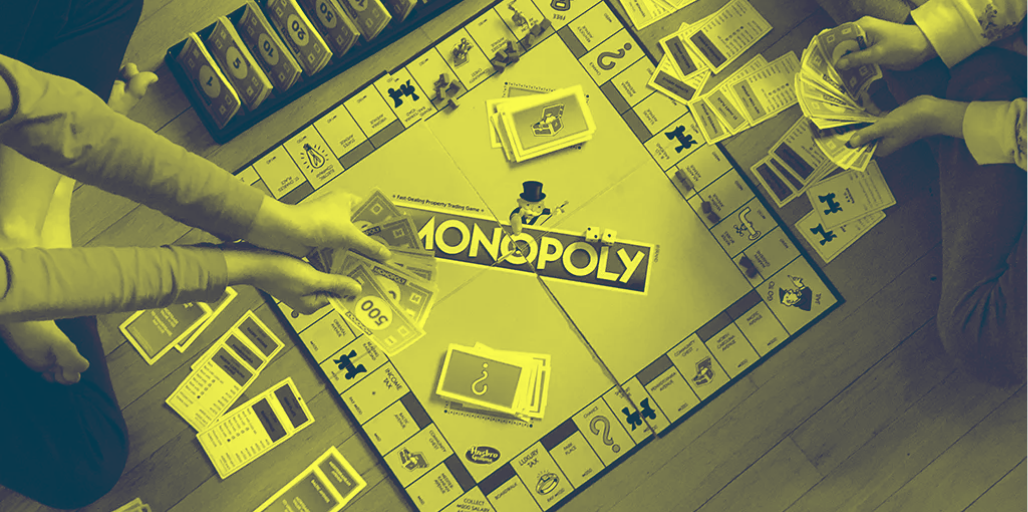
In the 19th century, with industrialization, board games began to be mass-produced. Games like Monopoly and Loto emerged, becoming popular in households. These games reflected contemporary themes, such as trade and wealth accumulation, marking a shift towards family-centered entertainment.
1800-1899
20th Century
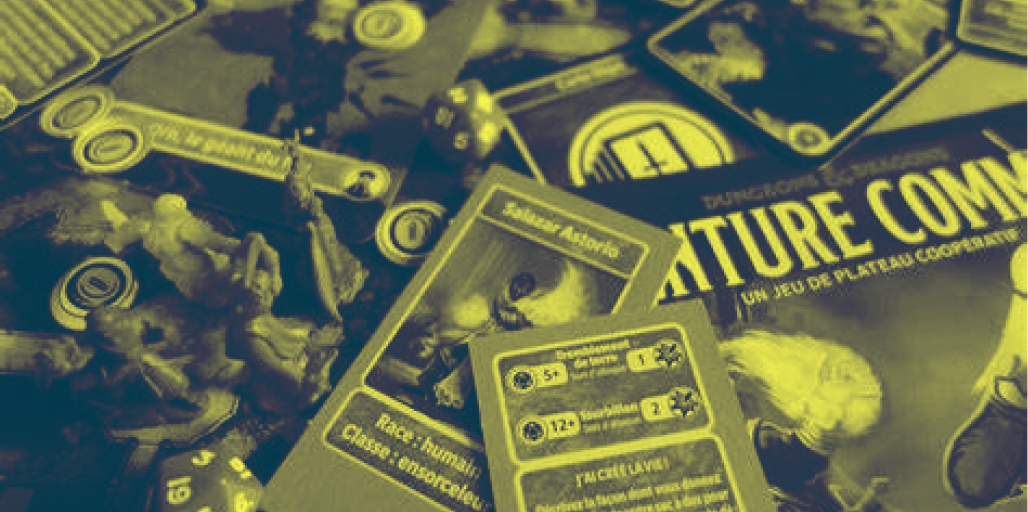
In the 20th century, board games underwent significant evolution, transitioning towards more strategic and immersive experiences. Modern strategy games flourished with titles like Risk (1957), introducing elements of territorial conquest, and Dungeons & Dragons (1974), which introduced millions to role-playing games. These games represented a turning point, allowing players to interact within complex and personalized worlds.
1900-1999

Modern Renaissance
Since the 2000s, there has been a resurgence of interest in classic and modern board games. Titles like "Catan," "Carcassonne," and "Pandemic" have not only revitalized the industry but also attracted a new generation of players. This period is marked by an explosion of creativity, with innovative game mechanics and varied themes.
2000-2010
Digital Revolution
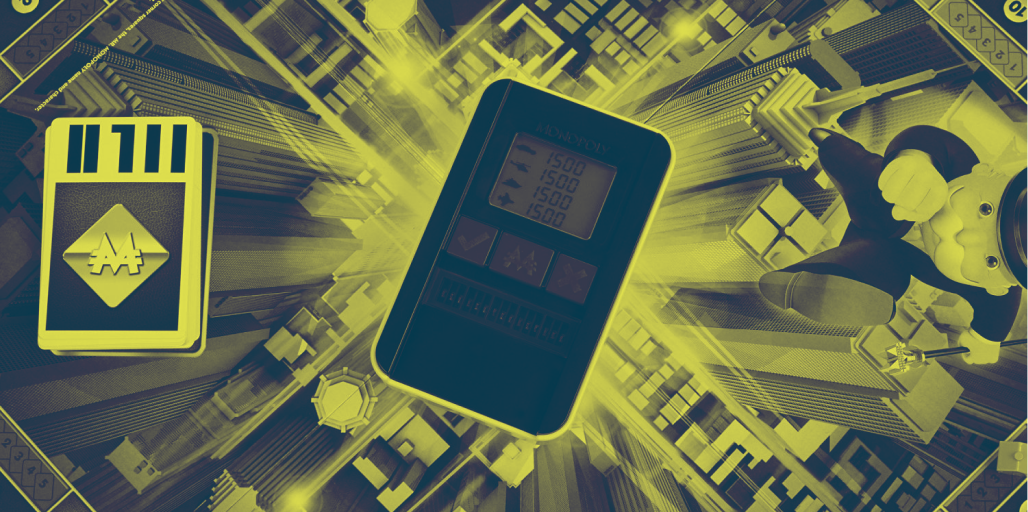
By the end of the 20th century, the advent of digital technology transformed board games. Electronic and digital versions of traditional games emerged alongside new game formats. This revolution enabled greater interactivity and facilitated connections between players remotely.
2010-2025
The timeline of board games illustrates their continuous evolution, from ancient beginnings to the modern era. With the rise of immersive and innovative games like "Risk" or "Catan," board games have transformed while remaining rooted in social interaction. Today, they evolve towards hybrid experiences, blending physical and digital, ensuring their relevance for the future.
Learn more:
Board Games
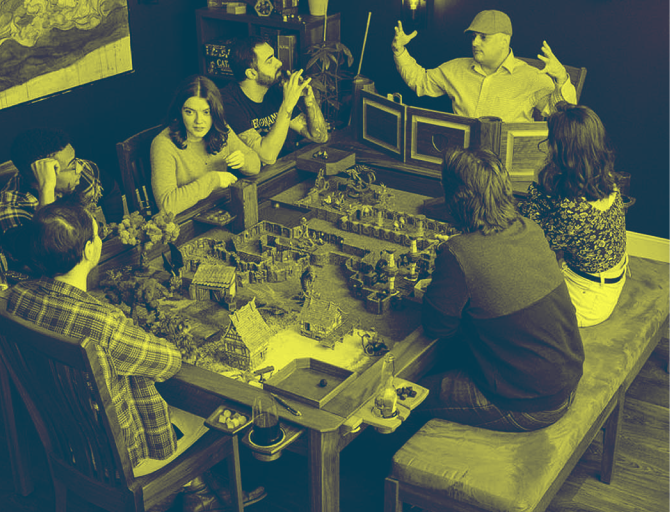
Explore the captivating world of board games, where strategy, adventure, and conviviality meet. Discover their fascinating evolution, from timeless classics to modern innovations, and experience the joy of playing together.
Different Types
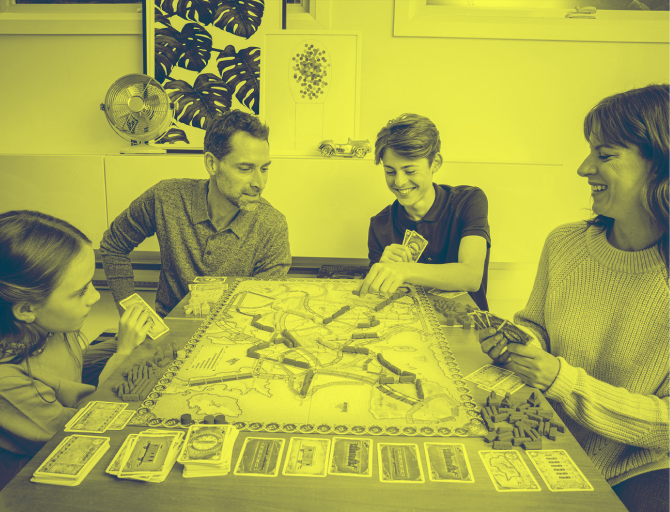
Dive into the fascinating world of board games, where each type offers a unique experience. Immerse yourself in a rich world of strategies, interactions, and creativity. Whether you're a novice or an expert, this article reveals the diversity of games that can enrich your evenings and strengthen your social bonds.

Games of the Future
Discover what the board games of the future might look like, blending innovation and interactivity. Imagine immersive experiences using augmented reality and artificial intelligence while transforming entertainment to foster social connections.